November 19, 2026
Transforming your backyard into an oasis for relaxation and physical fitness is an exciting investment, yet choosing the ideal aquatic installation can be challenging. For decades, full-sized in-ground swimming pools served as the gold standard of outdoor luxury. However, modern property boundaries, rising construction costs, and demanding maintenance routines have led many homeowners to seek versatile alternatives. At its core, a swim spa is essentially an oversized hot tub equipped with a swim current. Deciding whether an extended hot tub can truly match or replace the experience of a traditional swimming pool requires an understanding of functionality, operational costs, space requirements, and daily lifestyle needs. This comprehensive guide details the key factors you need to know before committing to your backyard upgrade.
Whether your goal is training for triathlons, soothing chronic joint pain, or creating an intimate space for family gatherings, modern aquatic engineering has reshaped the landscape. While traditional pools deliver vast open basins, they often come with high utility bills and long winter closures. Evaluating the distinct advantages and trade-offs of both options—a traditional swimming pool versus an elongated, swim-current hot tub—ensures you choose an installation that brings lasting joy and real value to your property.
Comparing Core Features and Daily Functionality
Examining Compact Engineering and Continuous Currents
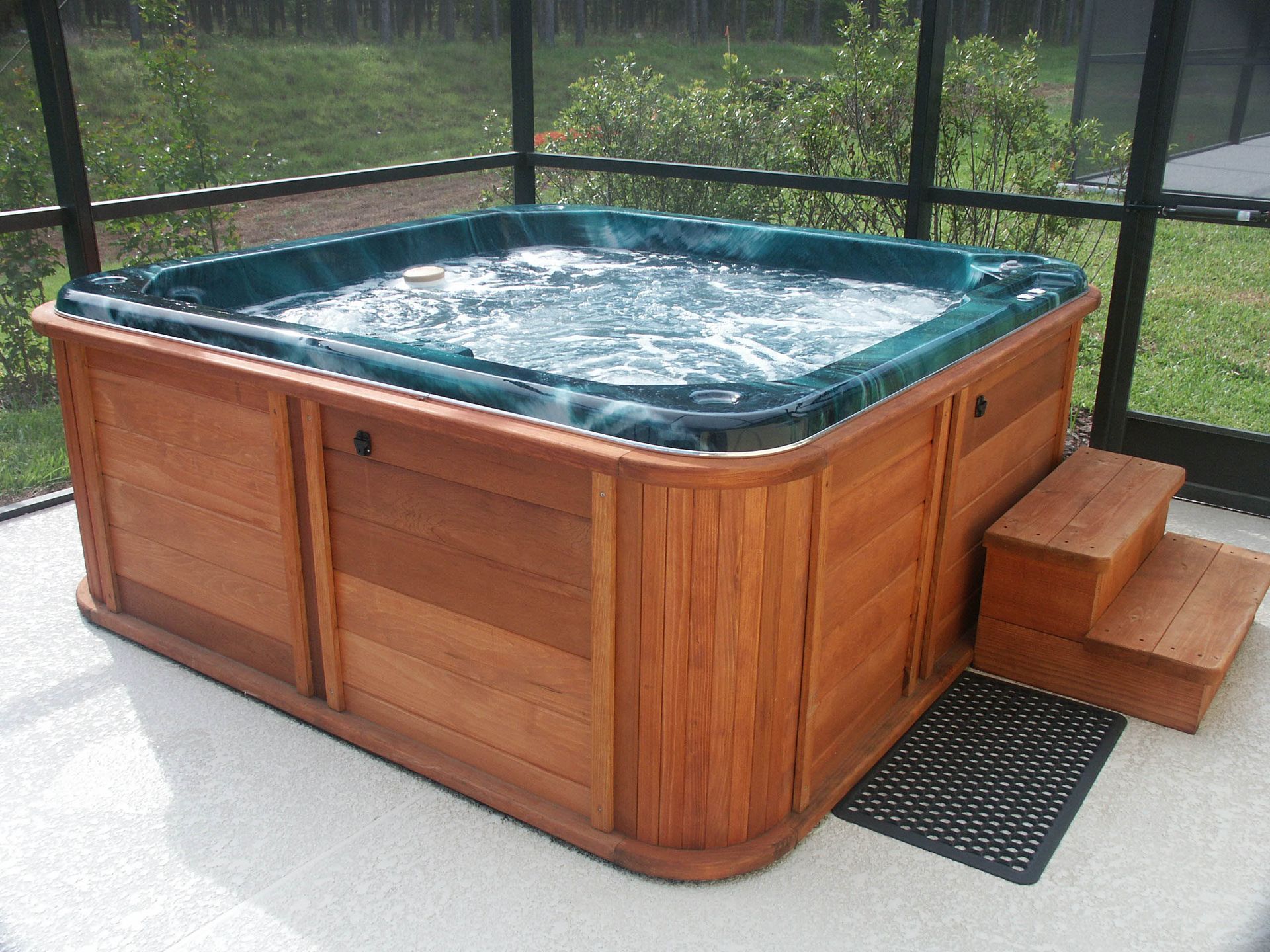
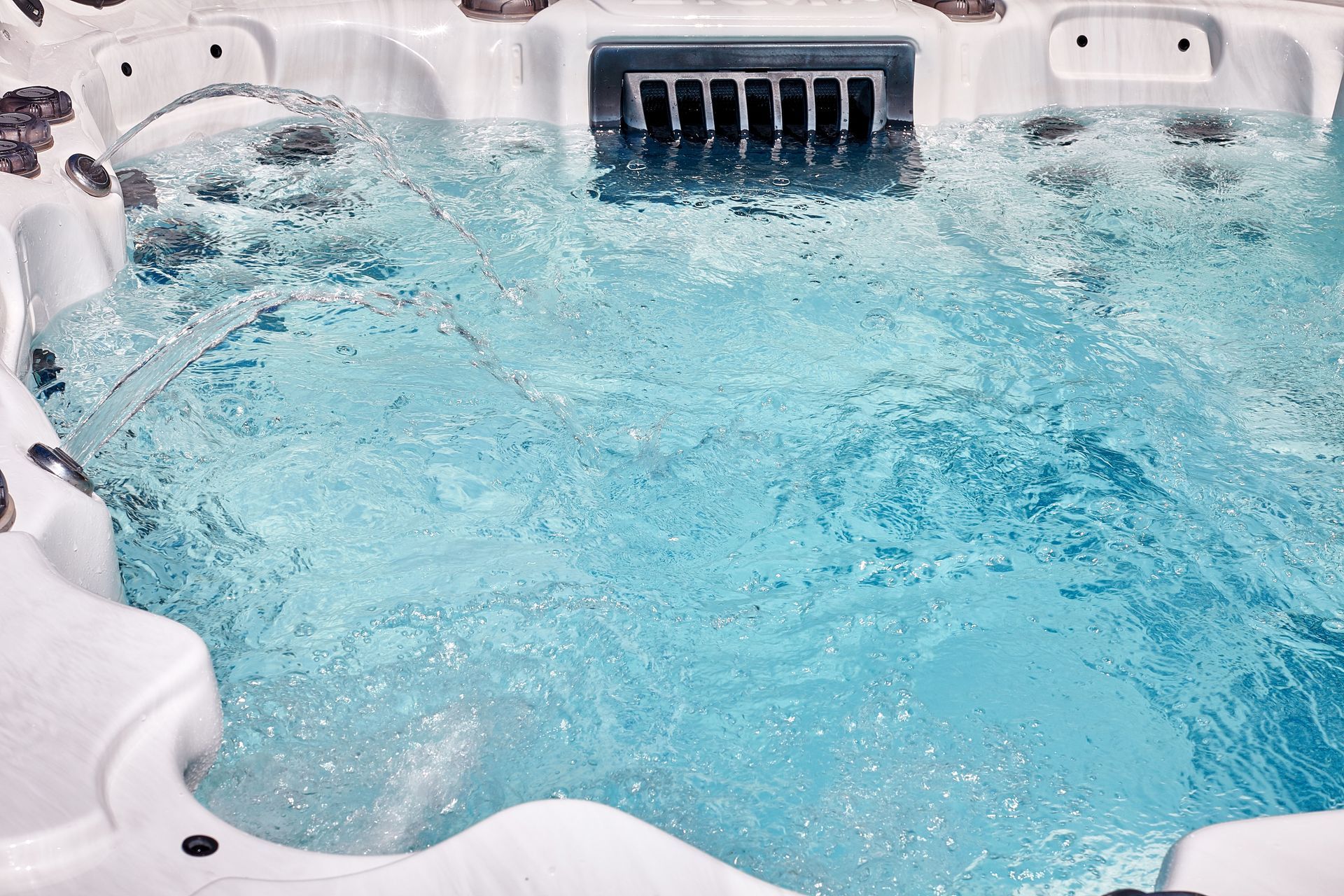
A swim spa is built on the exact same foundation as a standard hot tub, pairing contoured hydrotherapy seating and powerful massage jets with an extended basin and a high-output current propulsion system. Unlike standard in-ground pools where lap swimming requires frequent wall turns, these self-contained hot tubs generate a steady current that allows you to swim in place continuously. By adjusting the water flow rate, beginners and competitive athletes alike can establish a customized swimming pace. Because it uses the compact, self-contained footprint of a hot tub cabinet, it offers an exceptionally versatile aquatic solution for properties where full-scale pool excavation is impractical.
Evaluating Multi-Season Usability and Temperature Flexibility
One of the greatest limitations of an outdoor backyard pool in cooler climates is its restricted operating season, frequently leaving the water closed under heavy winter tarps for six to eight months. In contrast, because a swim spa is fundamentally an insulated hot tub, it features dedicated interior freeze protection, heavy-duty thermal locking covers, and high-efficiency heating systems engineered to maintain soaking temperatures through freezing winter weather. This all-weather adaptability transforms an ordinary patio into a four-season personal retreat, allowing homeowners to enjoy hot-tub hydrotherapy and cardio conditioning even on snowy evenings.
Analyzing Exercise Variety and Hydrotherapy Benefits
Operating as an extended hot tub, a swim spa provides a low-impact environment ideal for water aerobics, aquatic jogging, and physical rehabilitation. The natural buoyancy of warm water relieves strain on sensitive joints, while targeted hot tub massage jets ease tension in the neck, back, and calves. While full-sized pools offer vast areas for unstructured recreational games, a current-equipped hot tub provides precision hydrotherapy, structured resistance training, and relaxation in a single versatile unit.
Balancing Intimate Relaxation with Large Social Gatherings
Spatial limitations represent the primary functional difference between standard swimming pools and compact hot tub designs. If your ideal summer weekend involves hosting twenty neighborhood children for deep-water diving, cannonballs, and pool volleyball, a spacious in-ground pool remains unmatched. However, for everyday relaxation, couples, and small family leisure, a swim spa provides the familiar comforts of a luxury hot tub—ergonomic seating, ambient LED lighting, and integrated sound systems—delivering an intimate, welcoming atmosphere.
Analyzing Financial Costs and Long-Term Value
Comparing Upfront Purchase and Construction Costs
The initial financial commitment of an aquatic installation plays a pivotal role in the decision-making process. Building an in-ground concrete, vinyl, or fiberglass pool typically ranges from $40,000 to well over $100,000 once excavation, plumbing, stone coping, and safety fencing are completed. Because swim spas are manufactured as self-contained hot tub units, high-quality models generally cost between $15,000 and $50,000 depending on dimensions, shell durability, and propulsion options. This dramatic upfront cost difference allows property owners to allocate more capital toward custom outdoor decking and landscape lighting.
Reviewing Market Growth and Real Estate Appeal
Consumer preferences have steadily shifted toward energy-efficient, multi-functional home amenities that promote holistic health. According to Market Intelo, the global swim spa market was valued at $5.2 billion in 2025 and is expected to reach $8.4 billion by 2034, at a CAGR of 6.3%. This market expansion demonstrates that buyers increasingly favor the convenience, year-round use, and therapeutic benefits of an oversized hot tub over massive seasonal pools that require labor-intensive upkeep. Investing in a swim spa adds tangible curb appeal to your estate without overwhelming the layout of the yard.
Calculating Energy Efficiency and Monthly Utility Bills
Operating a full-sized open swimming pool involves heating tens of thousands of gallons of exposed water, resulting in substantial gas and electric expenses during shoulder seasons. Because a swim spa functions like a traditional hot tub—holding only 1,200 to 2,500 gallons and relying on high-density cabinet foam insulation—heat retention is exceptionally efficient. Advanced digital circulation pumps and tightly fitted insulated covers prevent heat loss, ensuring that heating this compact vessel through the winter remains far more predictable and manageable than heating a conventional pool.
Managing Daily Maintenance and Water Chemistry
Routine pool care can quickly turn into a time-consuming chore involving regular surface skimming, bottom vacuuming, and testing large chemical volumes. Water care for a swim spa mirrors standard hot tub maintenance: smaller water capacities paired with ozone, ultraviolet, and multi-stage cartridge filtration systems. Maintaining clean, balanced water requires significantly less time and fewer sanitizing chemicals each week, freeing up your schedule to actually enjoy the water rather than constantly treating it.
Reviewing Installation Logistics and Structural Requirements
Assessing Property Placement and Spatial Flexibility
The footprint of a swim spa provides the same installation flexibility as an oversized hot tub. Traditional pool construction demands clear crane access, extensive trenching, and massive earth-moving machinery that can permanently disrupt established landscaping. In contrast, an above-ground swim spa arrives as a self-contained unit that can be placed on an existing reinforced patio, integrated into a multi-level deck, or installed partially recessed to blend directly into the surrounding garden architecture.
Constructing a Reliable Foundation and Concrete Pad
Just like a hot tub—only scaled up—a fully filled swim spa carrying thousands of gallons of water and multiple occupants can weigh upwards of 15,000 to 20,000 pounds. As a result, placing a unit directly on bare lawn soil or unreinforced pavers is impossible. Installing a professionally poured, level concrete pad—typically four to six inches thick with rebar reinforcement—ensures proper load distribution and prevents long-term shifting. Establishing an engineered base protects the internal shell and plumbing of your spa from structural strain.
Determining whether a swim spa can replace a conventional backyard pool comes down to your personal fitness objectives, entertaining habits, and property layout. If your priority centers on hosting massive pool parties and creating deep-water diving zones, a traditional in-ground pool remains a compelling choice. However, for those seeking daily cardiovascular exercise, soothing year-round hot tub hydromassage, modest utility expenses, and lower maintenance demands, an oversized swim-current hot tub is an outstanding alternative that enriches both your home lifestyle and long-term property equity. If you've been considering a swim spa for your home, contact KC's Hot Tub Warehouse.